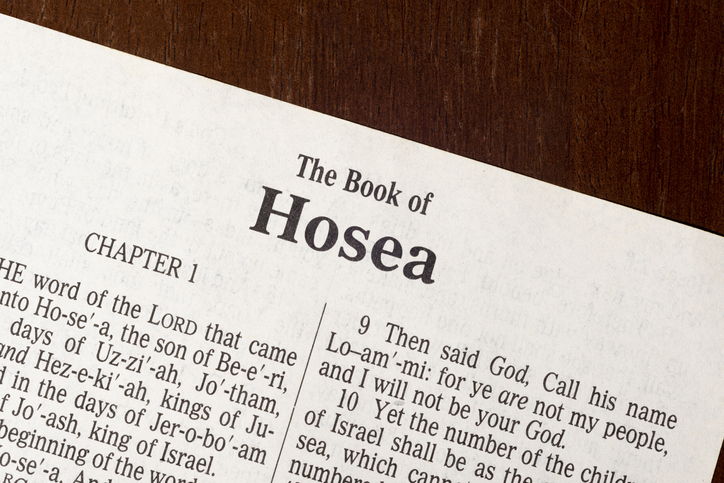
They sow the wind
and reap the whirlwind.
The stalk has no head;
it will produce no flour.
Were it to yield grain,
foreigners would swallow it up.
Sow the wind. Reap the whirlwind. What does that mean exactly? According to Bible Hub it means this…
To “sow the wind” metaphorically represents dedicating one’s efforts to worthless or empty pursuits-pursuits that lack substance and disregard God’s commandments. Just as wind cannot be harvested for nourishment, spiritual emptiness and rebellion lead to a harvest of calamity. The image is further intensified by the idea of “reaping the whirlwind,” suggesting far more severe consequences than what was initially sown.
I was thinking about this random question yesterday. “Could the Renaissance have occurred in a data-driven classroom culture? Even more, would the artists of the Renaissance have flourished in that type of environment?” I don’t think so. I firmly believe their creativity would have been snuffed out like a candle. Makes me wonder what great talents are being squandered in the name of assessment choices A, B, C, and D.
The great advancements in physics, mathematics, and literature…I would guess that less than one tenth of one percent were a result of data driven classrooms. In fact I think many great thinkers would avoid those classrooms altogether. Critical thinking is required to in order understand fractals, quantum mechanics, knot curvatures in space(knot theory), and Apollonian circles. Bet you won’t find those being researched in standardized testing environments. Yet, the work they(researchers in mathematics) are doing will advance everything from medicine to quantum computing to traveling among the stars.
That brings me back to Hosea. The nation of Israel had embraced idol worship and cultivated unholy political schemes. The end result was that Israel was conquered. They lost what generations had taken to build and cultivate. They invested in things which ran counter to God. They flung their wheat seed into the wind, and expected a harvest. The harvest, in fact, would later be a storm of consequences for not doing what was right.
The lesson? If we fail to follow the Lord, we are sowing seeds that (over time) will result in our own undoing. It is true on individual, group, and organizational levels. We must be careful to do what is right as best we can lest we sow a field that brings calamity when it comes to fruition at a later time.
ProTip: BTW, isn’t that a great verse to think about? Wouldn’t students benefit from reading, discussing, and writing about that verse from Hosea during Literacy groups? Do you think those would be rich conversations? You bet.
Licensed thumbnail photo provided by WendellandCarolyn
Discover more from Rob's Innovation in Education Blog
Subscribe to get the latest posts sent to your email.